
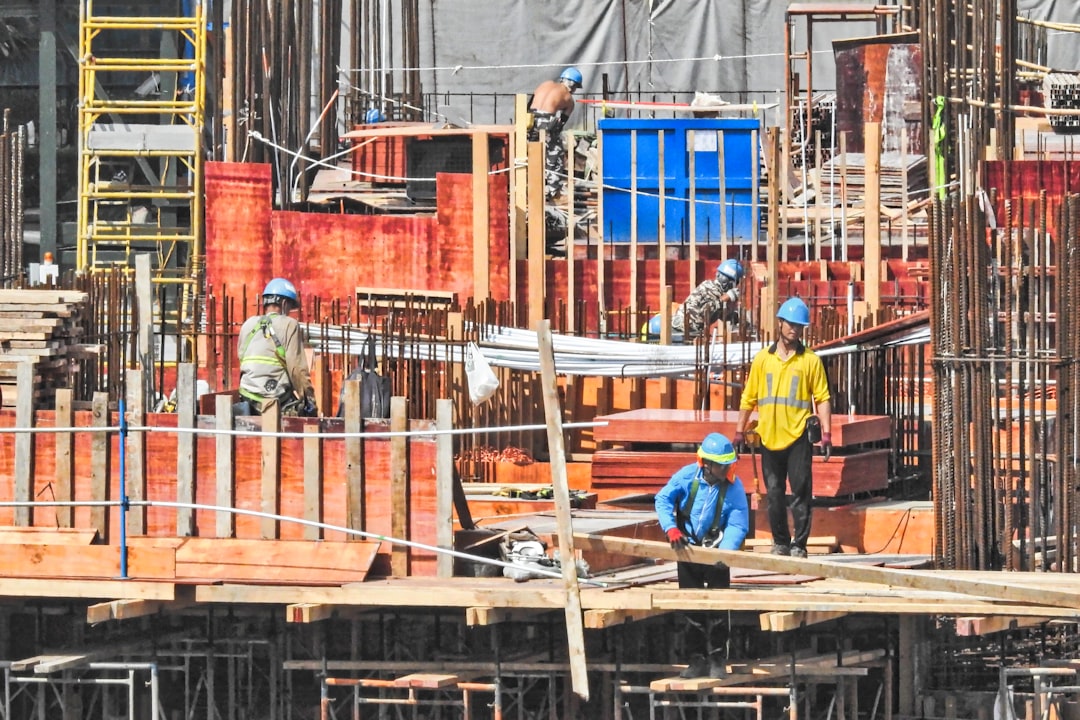
The Importance of Safety Protocols in Construction Sites Today

In the construction industry, safety protocols are not just guidelines; they are essential practices that protect workers and ensure project success. With the increasing complexity of construction projects and the variety of tasks involved, implementing robust safety measures has become more critical than ever. Recent statistics indicate that construction sites account for approximately 20% of workplace fatalities, highlighting the urgent need for effective safety protocols.
Understanding the Risks in Construction
Construction sites are inherently hazardous environments, with risks ranging from falls and equipment accidents to exposure to harmful substances. According to the Occupational Safety and Health Administration (OSHA), falls are the leading cause of death in the construction industry, accounting for 33% of all fatalities. This alarming statistic underscores the importance of having comprehensive safety protocols in place to mitigate these risks and protect workers.
Moreover, the financial implications of workplace accidents can be significant. The National Safety Council estimates that the average cost of a workplace injury is around $40,000, which includes medical expenses, lost wages, and legal fees. By investing in safety protocols, construction companies can not only protect their employees but also save on potential costs associated with accidents and injuries.
Key Components of Effective Safety Protocols
Effective safety protocols encompass a range of components, including training, equipment safety, and regular site inspections. Training is crucial, as it ensures that all workers are aware of the potential hazards and know how to operate equipment safely. OSHA recommends that all workers receive safety training tailored to their specific roles and responsibilities on the site.
Additionally, the use of personal protective equipment (PPE) is a vital aspect of safety protocols. Hard hats, safety goggles, gloves, and harnesses can significantly reduce the risk of injury. Regular inspections of equipment and safety gear are also essential to ensure that everything is functioning correctly and that workers are adequately protected.
Creating a Safety Culture
Building a culture of safety within a construction company is essential for the long-term success of safety protocols. This involves not only implementing rules and regulations but also fostering an environment where employees feel empowered to speak up about safety concerns. Encouraging open communication can lead to the identification of potential hazards before they result in accidents.
Moreover, recognizing and rewarding safe behavior can motivate workers to prioritize safety. Companies that actively promote safety as a core value often see a decrease in accidents and an increase in employee morale. A strong safety culture not only protects workers but also enhances the company’s reputation and can lead to increased business opportunities.
Compliance and Legal Considerations
Compliance with safety regulations is not just a legal obligation; it is a moral responsibility. Construction companies must adhere to OSHA standards and local regulations to ensure the safety of their workers. Failure to comply can result in severe penalties, including fines and work stoppages, which can have a detrimental impact on project timelines and budgets.
Furthermore, legal liabilities arising from workplace accidents can be substantial. Companies may face lawsuits from injured workers or their families, leading to costly settlements and damage to the company’s reputation. By prioritizing safety and compliance, construction companies can protect themselves from legal repercussions and foster a safer working environment.
Conclusion: The Value of Safety Protocols
In conclusion, the importance of safety protocols in construction sites cannot be overstated. They are essential for protecting workers, reducing financial risks, and ensuring compliance with legal standards. As the construction industry continues to evolve, companies must remain vigilant in their commitment to safety and continuously improve their protocols to adapt to new challenges.
Key Insight: Investing in safety protocols not only protects workers but can also lead to significant cost savings, with the potential to reduce workplace injury costs by up to 50%. By prioritizing safety, construction companies can enhance their operational efficiency and build a sustainable future for their workforce.